
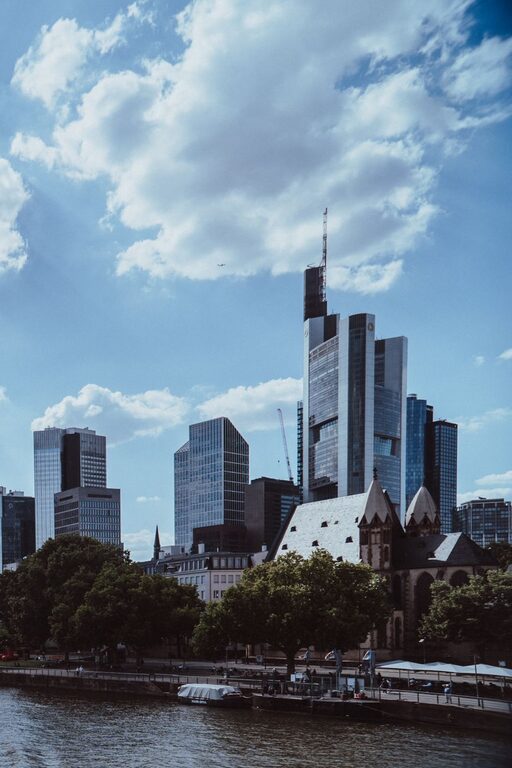
Photographer’s Guide to Capturing the Best of Europe’s Cityscapes
Europe’s cities offer some of the most breathtaking cityscapes in the world. From ancient architecture to modern skylines, each city has its own unique charm that makes it a rewarding subject for photographers. Whether you are exploring the narrow streets of Prague, the vibrant rooftops of Paris, or the contemporary skyline of London, capturing these views requires more than just pointing and shooting. This guide will help you make the most of your photography adventures across Europe’s urban landscapes.
Understanding Cityscape Photography
Cityscape photography focuses on the visual representation of urban areas, highlighting their architectural features, street life, and the interplay of light and shadow. Unlike typical landscape photography, cityscapes often include dynamic elements such as moving people, vehicles, and weather conditions. Capturing the essence of a city requires planning, patience, and an eye for detail.
Best Times to Shoot European Cityscapes
Golden Hour and Blue Hour
The light during the golden hour — shortly after sunrise and before sunset — casts a warm glow, softening shadows and enhancing colors. This time is perfect for showing the texture of buildings and creating a romantic atmosphere.
The blue hour, the period just before sunrise or after sunset, offers a cool, blue tone in the sky with city lights beginning to sparkle. This creates a beautiful contrast between natural and artificial lighting.
Night Photography
Many European cities transform dramatically at night, with illuminated landmarks and lively streets. Night cityscape photography allows for creative long exposures, capturing light trails from cars or reflections in water.
Seasonal Considerations
Spring and fall often bring softer lighting and less harsh contrasts than summer. Winter can add a magical touch with snow or festive decorations, but prepare for shorter days and colder temperatures.
Essential Gear for Cityscape Photography
– Camera: A DSLR or mirrorless camera with manual settings is ideal.
– Lenses: Wide-angle lenses (16-35mm) capture sweeping views, while telephoto lenses (70-200mm) help isolate architectural details.
– Tripod: For stability during low-light and long-exposure shots.
– Polarizing Filter: Helps reduce glare and enhance skies.
– Extra Batteries and Memory Cards: City shoots can be long and unpredictable.
Top European Cities and Iconic Cityscape Spots
Paris, France
– Montmartre Hill: Offers panoramic views of the Paris skyline with the Sacré-Cœur in the foreground.
– Trocadéro Gardens: Provides a classic perspective of the Eiffel Tower across the Seine.
– Notre-Dame and Seine River: Capture reflections and bridges for romantic compositions.
Prague, Czech Republic
– Charles Bridge: Early morning shots here capture the historic bridge with Prague Castle in the background.
– Petrin Hill: A peaceful spot to photograph colorful rooftops and spires.
– Old Town Square: The medieval architecture here comes alive at sunset.
London, United Kingdom
– The Shard Viewing Platform: Get sweeping views of the city, including the Tower Bridge and the Thames.
– Primrose Hill: Ideal for skyline shots, especially during sunrise or sunset.
– Southbank: Capture the London Eye, modern buildings, and vibrant street life.
Barcelona, Spain
– Bunkers del Carmel: A popular spot for panoramic city views with a relaxed vibe.
– Park Güell: Antoni Gaudí’s colorful mosaics blend with the city’s skyline.
– Montjuïc Hill: Offers a mix of nature, architecture, and harbor views.
Tips for Capturing Unique Cityscapes
Look for Leading Lines and Patterns
Use streets, bridges, or rivers as leading lines that draw the viewer’s eye into the photo. Patterns in rooftops, windows, or paving stones add visual interest and depth.
Experiment with Different Perspectives
Don’t just shoot from street level. Try rooftops, hills, or even ferry rides to get a fresh angle. Drone photography is increasingly popular for cityscapes but check local regulations before flying.
Include Human Elements
Adding people to your compositions can convey a sense of scale and life. Capture moments of interaction, movement, or street performers to add storytelling elements.
Mind Your Composition
Apply the rule of thirds, balance your frame, and leave space for sky or water reflections. Negative space can emphasize the main subject, while symmetry works well for architectural shots.
Shoot in RAW
RAW files keep all image data intact, allowing for better editing later, especially when dealing with varying light conditions common in cityscapes.
Post-Processing Tips
– Adjust contrast and clarity to bring out architectural details.
– Enhance colors gently to maintain natural tones.
– Remove distractions like power lines or trash using editing tools.
– Experiment with black and white for a timeless look.
– Sharpen images carefully to avoid noise.
Safety and Practical Considerations
– Always be aware of your surroundings and keep your equipment secure.
– Early mornings and late evenings are quieter but check local safety advice.
– Respect private property and avoid restricted areas.
– Carry a compact rain cover for your camera in case of sudden weather changes.
Final Thoughts
Capturing Europe’s cityscapes is a rewarding way to explore and document the continent’s rich history, culture, and modern life. With the right timing, equipment, and approach, your photos will not only show beautiful views but also tell compelling stories of the vibrant cities you visit. So pack your gear, keep an open mind, and let the cities of Europe inspire your creativity. Happy shooting!
